A New Natural Fibre that offers an alternative to Linen: banana fibre blended with cotton

Cotton, Linen and silk are the popular natural fibres used for apparel textiles over the centuries. These have been adapted to meet the requirements of modern-day high-volume production machinery making them the preferred choice even today. In mankind's quest for alternative natural fibres, the production of Apparel grade yarn and fabric on a commercial scale has been one of the major stumbling blocks.

Anandi Enterprises is happy and proud to introduce Banana fibre-based yarn and fabrics. Anandi Enterprises holds a strong place in the field of sustainable fabrics and now we introduce Apparel grade Banana fibre a new natural fibre alternative to Cotton and Linen.

In the quest for new sources of natural fibre for apparel, the Banana plant holds much potential. The fibre from Banana stems has unique physical and chemical characteristics that hold the potential to make fine-quality fibre. It is lightweight, highly strong with low elongation and has good moisture absorption and release characteristics.

Anandi Enterprises has developed a commercial-scale manufacturing process that offers better fineness and spin ability in extraction and conversion to yarn and fabric. This Banana yarn and fabric produced matches Linen in its feel and texture thus making it an alternative acceptable to consumers as an apparel fabric a reality.

The adoption of Banana fibre-based apparel reduces the demand to bring more acreage under cotton farming a highly water-hungry crop. Further, it is a fabric that is biodegradable with no negative effects on the environment and is thus eco-friendly.

While the use of Banana fibre in different forms is not new, the manufacturing process developed by Anandi Enterprises enables apparel-grade fabric production at a commercially viable scale. This opens up the opportunity for India to become among the largest producers of Apparel grade Banana yarn and fabric in the world.

We are working with leading fashion designers and apparel brands to popularize the adoption of this new commercially viable eco-friendly fibre for apparel.

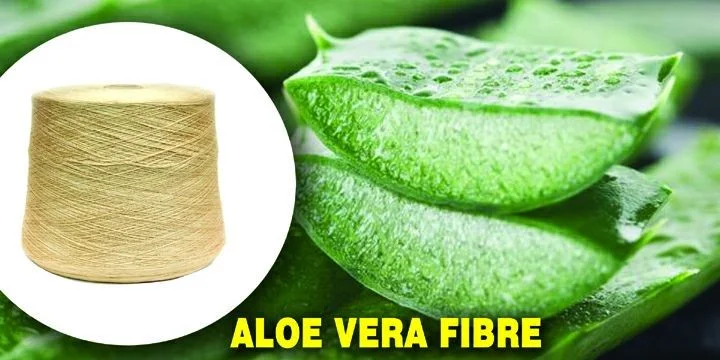
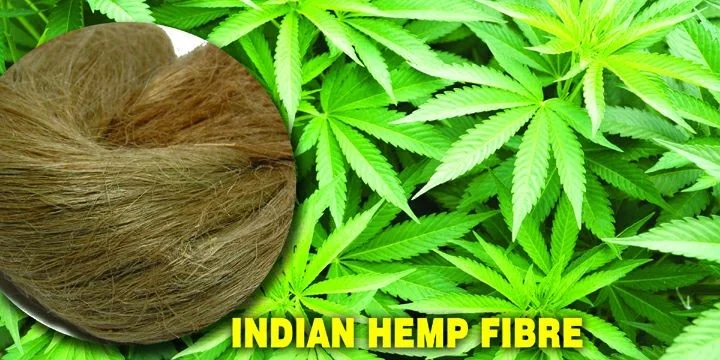
Other Farm Recycled Natural Fibre

Our Products

Anandi Enterprises has implemented the organic cotton project with the noble visions of

  • Making cotton crop cultivation sustainable by avoiding the usage of chemical inputs
  • Preventing soil, water and air pollution
  • Protecting the ecosystem and environment
  • Production of quality cotton and the betterment of all in the cotton sector

Seed varieties

To meet the demands of the project farmers & the standards of certification, we purchase cotton breeder seeds of GMO-free, varieties of Suvin, Surabhi & Suraj from the Govt. Cotton Research Station Coimbatore. The same is multiplied in the fields of the project farmers with due certification from Govt. Dept & and distributed to the project farmers. The seeds distributed to the farmers are GMO-free. They are genetically pure with good vigor and better results. Farmers in these areas trust these varieties and have been producing cotton in an organic way of cultivation for ages.

Surabi

From the year of commencement of our project from 2014-2015, the Surabi variety has been under cultivation with assured irrigation and produces satisfactory yield. It’s a long staple cotton with a staple length of 32mm. It performs well during the summer season, which has a sowing time between February – March and harvest time being July – August. Cultivation of Surabi is in practice in the districts of Salem, Namakkal and Tiruvannamalaiin selected locations.

Suvin

It is an Extral Long Staple (ELS) variety, with a staple length of 40 mm and performs well in in Attur area of Salem District. This Variety is suitable for the winter season with a sowing period being August – September and harvest time being February – March.

Suraj

This is a long staple variety with a staple length of 32 mm which is suitable for both summer and winter Seasons. More areas will be brought under this variety, in the ensuing Seasons.

Climatic Factors

A temperature of 29 to 35 C is congenial for cotton crops with favourable night temperatures. The average annual rainfall is 923 mm, distributed during south–east and northwest, seasons, favouring summer and winter cotton cultivation.

Soil

In the Project Location, the soil type is Redloamy suitable for cotton crops. Physical structure, water holding capacity and drainage facilities are good. The organic content of the soils is satisfactory. Crop stubbles of cotton, maize, etc., are ploughed incite to improve the organic matter of the soil, every season. The farmers of the project have sufficient cattle for the production of Farm yard manure.

Irrigation

Assured well water is the common source of irrigation, besides bore well water in a few places, wherever necessary.  The quality of the available water is highly suitable for cotton crops.

Project details

The Project has been implemented on ICS basis as per the guidelines of the Certifying Agency (ISCOP and Control Union). There are 6 ICS located in Salem, Namakkal and Tiruvannamalai Districts, covering 1753 Hectares by 2517 farmers

Staff pattern

We have two retired joint directors of Agriculture from the State Government Agriculture Department to lead the staff & and the project

  • We have one permanent field staff for each ICS, besides the required village scribes.
  • The Number of field staff and village scribes will be increased based on requirements
  • Every year we procure seed cotton from the project farmers at a reasonable price
  • In the years to come procurement will be intensified for the benefit of the farmers and the project
  • We have established a Ginning Factory in the project area itself, for the betterment of the farmers and the project

Methodologies for the Project Implementation

  • Class Training to the farmers.
  • Field Training to farmers.
  • Visit to problem fields by Experts.
  • Laying out field Demonstrations.
  • Conducting skill demonstrations.
  • Distribution of printed leaflets to the farmers.
  • Training the field staff.
  • Involving the Specialists from the Department of Agriculture and Agriculture University for various training for farmers & staff.

Procurement

Every year we procure seed cotton from the project farmers at a reasonable price. In the years to come procurement will be intensified for the benefit of the farmers and the project. We have established a Ginning Factory in the project area itself, for the betterment of the farmers and the project.

Our Certificates