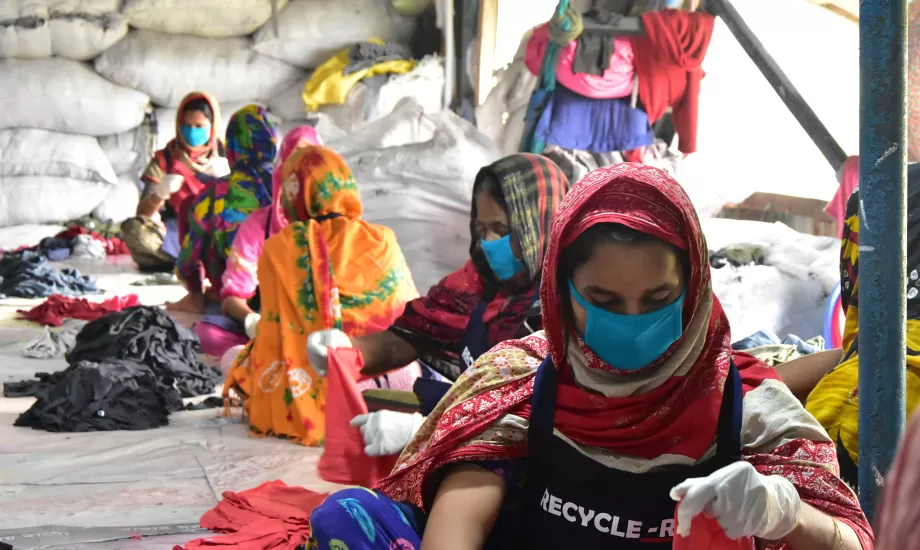
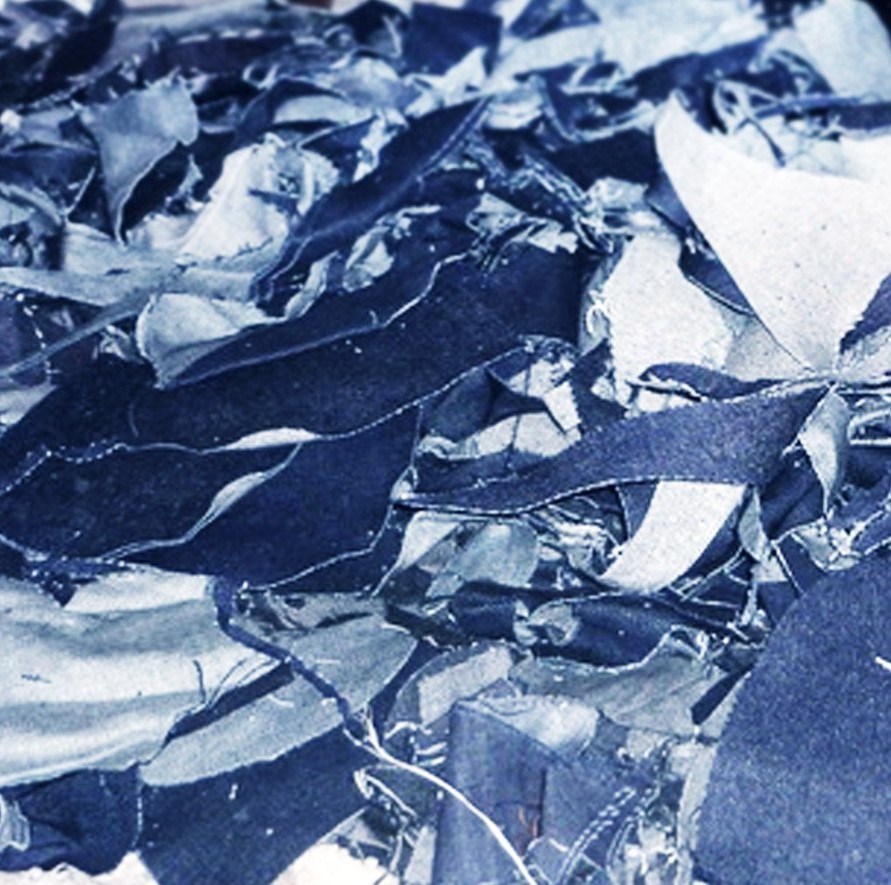
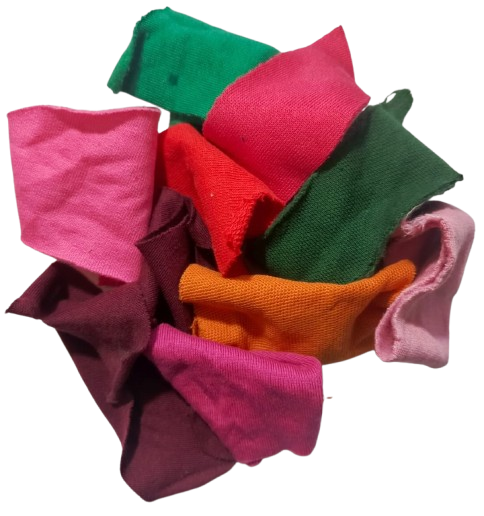
In the beginning, there were mountains—not of stone, but of fabric. Off-cuts curled like ribbons across cutting tables. Misprints and end-of-rolls slumped in warehouse corners. Returned garments—perfectly wearable—arrived in boxes stamped with red tags: “unsellable.” The industry called it “waste.” The Khetan family called it a challenge.
For decades, Khetan Group built its name on enterprise: seeing around corners, moving first where others hesitated. In textile towns and trading corridors, the Group witnessed a pattern that didn’t sit right—a steady stream of usable material slipping quietly into landfills or incinerators. Every bale told the same story: cotton grown with precious water, fibers spun with energy, fabrics dyed with care… and then discarded at the very edge of possibility.
The question became a responsibility. What if those endings weren’t endings at all?
“Fabric Recycling” wasn’t born in a boardroom. It began on a factory floor during a late shift, with a handful of curious engineers, a production manager who collected colorful off-cuts like confetti, and a simple experiment: could we turn yesterday’s leftovers into tomorrow’s raw material—reliably, at scale, and with pride?
The early days were stubborn and unglamorous. Bales arrived tangled with zippers, buttons, and mystery blends. Machines jammed. Colors bled into unexpected shades. Yields refused to cooperate. Yet every failure pulled a thread that led to a solution: better segregation, smarter blade profiles, gentler opening, more precise fiber-length control, and above all—partnerships up and down the value chain.


What began as a corner-line trial inside a Khetan facility soon grew into a dedicated sister concern with its own name, people, and promise:
Fabric Recycling.
The mission was deceptively simple—transform pre-consumer and post-consumer textile waste into high-quality fibers and yarns that brands would proudly specify, not as a compromise, but as a first choice.
To do that, Fabric Recycling focused on four pillars:
Today, Fabric Recycling’s outputs touch multiple product families:
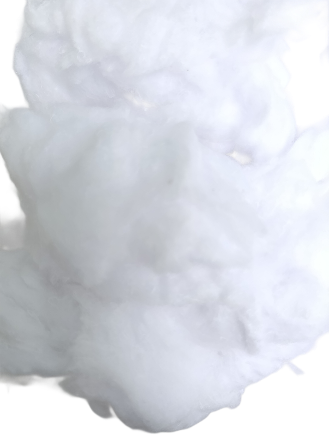
Recycled Cotton Fiber suitable for blending with virgin cotton or other fibers to achieve both softness and strength.
Recycled Yarns tuned for circular knits (tees, fleece), denim applications, and select woven uses, available in single and double counts across practical ranges.
Color-Sorted Melanges that leverage pre-existing shades for authentic, low-impact heathers.
Custom Blends (e.g., recycled cotton with viscose, polyester, or modal) engineered to hit a specific hand-feel, drape, or durability target.
Each line is backed by data-informed settings, QC checkpoints, and repeatable recipes—because sustainability without consistency doesn’t scale.
Computer-vision assisted sorting and compositional testing to elevate purity and predictability.
Continued R&D on gentle mechanical pathways and additive strategies that retain strength for higher-count ring-spun yarns.
Working with brand partners upstream to make tomorrow’s products easier to recycle—from trims to thread to labels.
Capturing a brand’s own off-cuts and returns and turning them back into signature yarns and fabrics—closing the loop not just technically, but narratively.
Because scale and stewardship must go together. As a sister concern, Fabric Recycling benefits from Khetan Group’s operational discipline, supplier networks, and long view—allowing us to build capacity responsibly, invest in technology cycles, and honor commitments to people and partners.
Every roll and bale that enters our gates brings a second chance. Every cone of recycled yarn that leaves carries a shared signature—of the cutter who sorted carefully, the operator who tuned the draft just right, the quality team that refused to pass “almost good,” and the partner who believed that better is possible today, not someday.
We help reduce landfill and incineration waste, conserve precious water and energy, and cut down on GHG emissions.